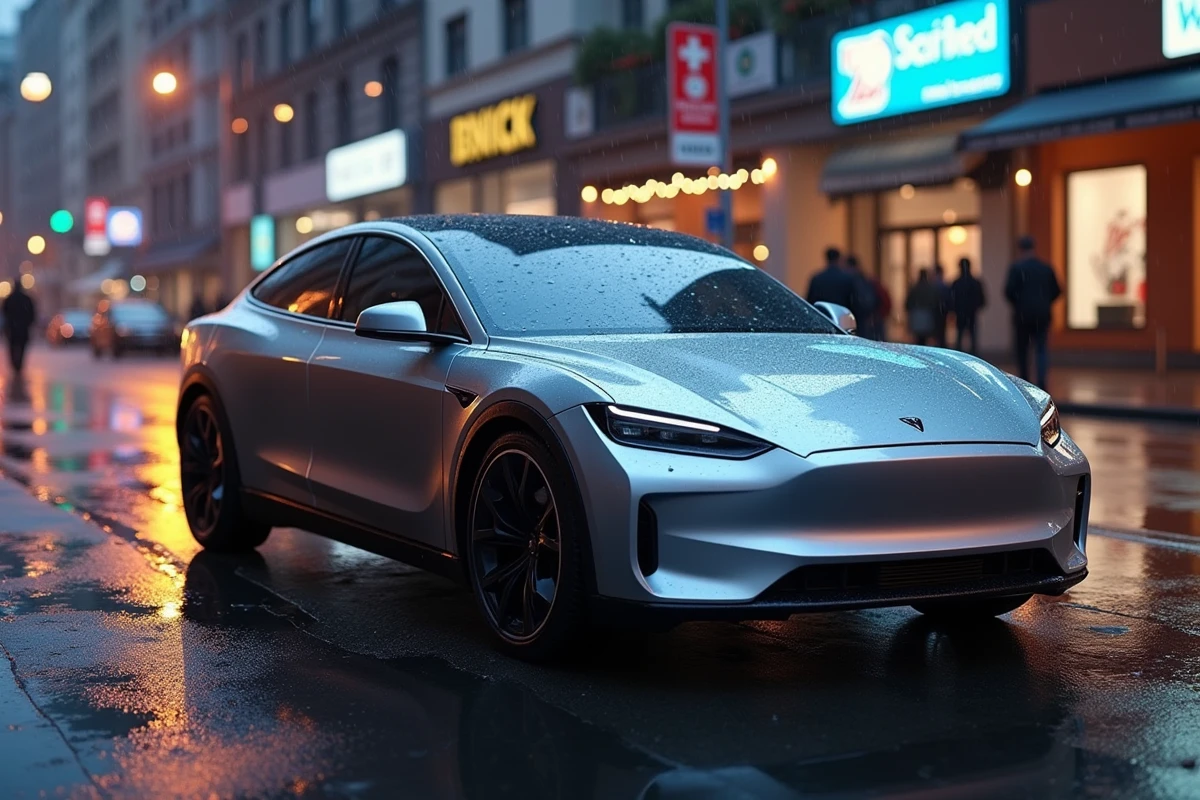
A driver commanding an electric utility vehicle in 2024 finds themselves facing a touchscreen, driving aids, and upholstery comparable to that of a sedan. Three years ago, this level of equipment only existed in premium catalogs. This shift perfectly summarizes the state of the market: automotive innovations are no longer limited to the powertrain or the interiors of passenger cars; they now affect all segments, including professional vehicles.
Utilities and premium equipment: the professional segment catches up with the private sector
The light utility vehicle has long been considered a stripped-down work tool. That era is over. European manufacturers are now integrating high-end finishes identical to passenger vehicles into their vans and minibuses: large central screens, built-in business connectivity, automatic emergency braking, adaptive cruise control.
What drives this evolution is regulation. Safety standards require utilities to have the same driving assistance equipment as cars. The result: catalogs are aligning upwards, and the electrified versions of these professional vehicles are equipped with the same technology as mainstream SUVs.
For corporate fleets, there is also a tangible change: the demand focuses as much on driver comfort as on cargo volume. A tradesperson who spends their day in their vehicle now expects decent sound insulation and an ergonomic driving position. Feedback varies on this point depending on the brands, but the general trend is clear.
Those who follow auto news on Scoopify have noticed that this upgrade in utility vehicles is one of the most discussed topics among industry professionals.

Solid-state batteries for electric vehicles: where do we stand?
Among the most anticipated automotive innovations, the solid-state battery is capturing the attention of manufacturers and equipment suppliers. Unlike traditional lithium-ion batteries that use a liquid electrolyte, solid-state batteries promise weight savings, better thermal stability, and higher energy density.
Keysight Technologies, through its expert Hwee Yng Yeo, has identified this technology as one of the five major trends in the automotive sector in 2024. Development work began about ten years ago, and the technology is nearing its finalization phase.
On the ground, the expected benefits are tangible:
- A more compact and lighter battery pack, freeing up space in the chassis and increasing the vehicle’s real range
- Enhanced chemical stability compared to liquid electrolytes, reducing the risk of thermal runaway
- Potentially faster charging, a major friction point for electric car buyers today
We are not yet at mass production. Manufacturers discussing this topic talk about a gradual commercialization, with no firm timeline for most. The solid-state battery remains a technical promise still undergoing industrial validation.
Automotive paints and coatings: an underestimated trend
When talking about automotive innovation, thoughts often go to engines, embedded software, or autonomous driving. What happens on the vehicle’s surface is often overlooked. Color trend analyses for 2025-2026 show a gradual shift: neutral shades (white, gray, black) that dominated the market are giving way to bolder colors, particularly greens, blues, and yellows.
Even more interesting is the arrival of thermochromic paints capable of changing color based on temperature. This is no longer a concept car gimmick. Several manufacturers are testing these coatings on pre-series models, aiming for enhanced personalization for the end customer.
There is also a technical challenge related to autonomous vehicles. LiDAR sensors used for autonomous driving interact with the vehicle’s surface. Some coatings are designed not to interfere with these sensors, or even to improve their reading of the environment. We are talking about coatings referred to as “anti-LiDAR” or “LiDAR-compatible,” a topic that most articles on automotive trends do not mention.
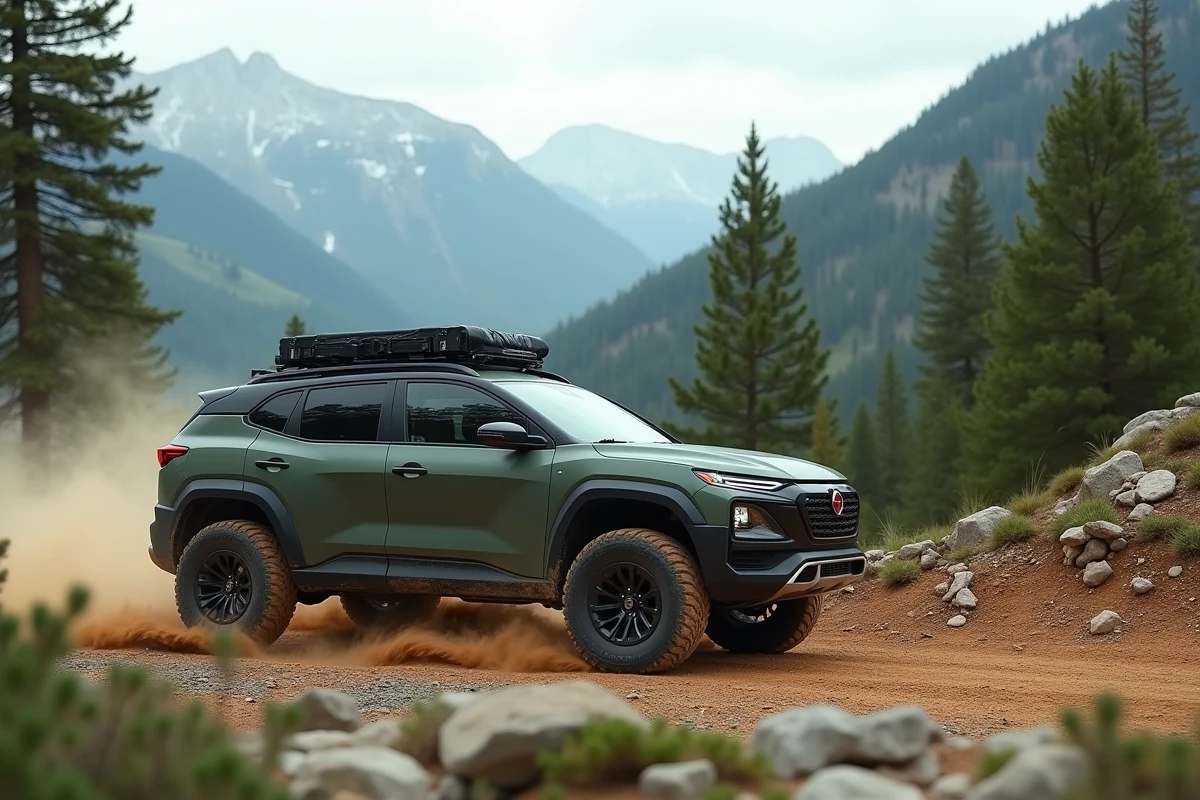
Hybrids and thermal engines in 2024: the market does not shift all at once
Electrification is progressing, but hybrid and plug-in hybrid powertrains remain the majority choice for buyers who do not want to switch to fully electric. 100% electric mobility still raises practical questions for many drivers: charging network coverage, purchase cost, range on long trips.
Mild hybrids represent an accessible compromise. They can be found on models across all segments, from city cars to family SUVs. The thermal engine is still present, assisted by a small electric motor that reduces consumption in the city and during deceleration phases.
Manufacturers betting on plug-in hybrids now offer sufficient electric ranges to cover daily commutes without starting the thermal engine. This positioning particularly appeals to drivers who are torn between two worlds.
- The mild hybrid suits drivers who want to reduce their consumption without changing their habits
- The plug-in hybrid targets those who have a charging point at home or work
- The pure thermal retains a loyal customer base, especially in the used car market where prices remain more accessible
The French automotive market reflects this coexistence. Registrations of electric vehicles are increasing, but the transition is happening in stages, not through a sudden break. Manufacturers who manage this period well are those who maintain a diverse offering across all types of powertrains.
The year 2024 will have shown that the automotive industry is advancing on multiple fronts simultaneously: batteries, coatings, utility vehicle equipment, hybrid powertrains. Buyers, in turn, make decisions based on their actual usage, not on show announcements. It is this ground reality that shapes the models of tomorrow.