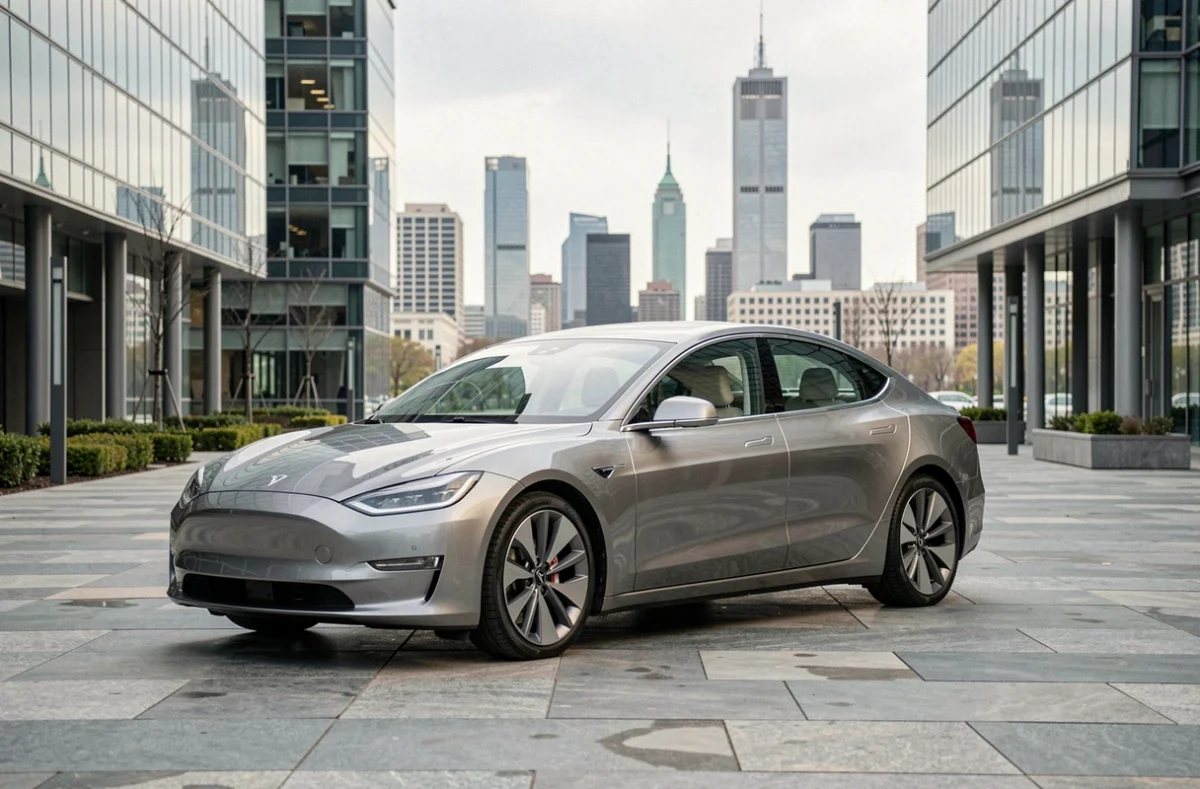
The French automotive market in 2026 is shaped by several indicators that do not all point in the same direction. New car sales are rising, driven in particular by private buyers and electric vehicles, while the used-car market is declining overall—with one fast-growing exception: used electric cars.
At the same time, the Euro 7 standard comes into force at the end of November 2026, redefining what a new vehicle must guarantee. How do these trends differ in practice, and what do they mean for buyers?
Car financing and resale value: the gap putting pressure on households
Manufacturers’ finance subsidiaries play a key role in the French market. According to data collected by AAA DATA, financing agreements later feed recent vehicles into the used-car market. This creates a cycle: a buyer finances a new car over three to five years, after which the vehicle enters the second-hand market.
The problem arises when the used-car market declines. Vehicles coming off these financing agreements enter a market where demand is weakening. For a household selling its petrol or diesel car to switch to electric, depreciation can wipe out some of the financial benefit of making the change.
Recent automotive news is available at https://www.autosactus.fr, which covers both new-car market trends and developments in France’s used-car fleet.
New electric cars vs. used electric cars: a comparison of the 2026 market
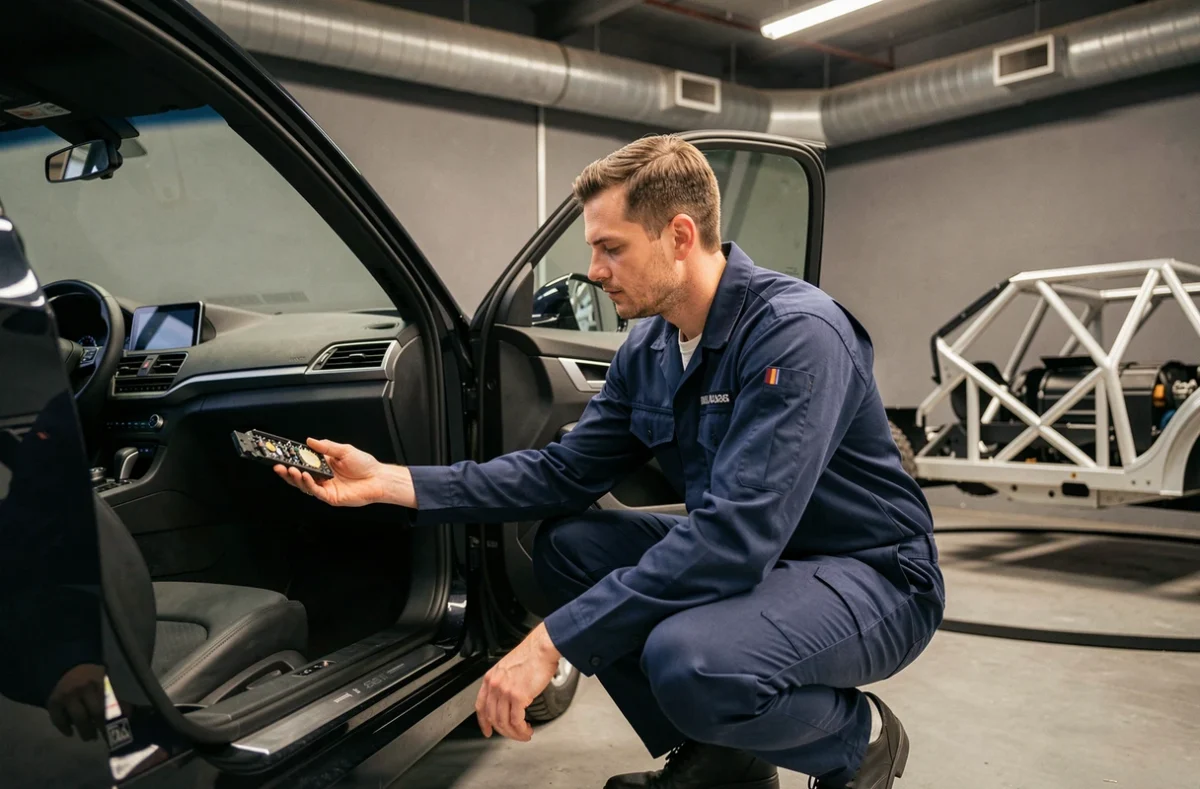
Electric cars are clearly gaining ground in the new-car market, but used electric cars are following a different trajectory.
| Indicator | New electric vehicle | Used electric vehicle |
|---|---|---|
| Sales trend in 2026 | Strong growth, driven by private buyers and fleets | Growing despite an overall decline in the used-car market |
| Role of private buyers | Major contribution to growth | Rising demand, with supply still limited |
| Impact of manufacturer financing | Agreements that will eventually feed the used-car fleet | Gradual arrival of 3–5-year-old vehicles |
| Battery warranty | Covered by the manufacturer | Varies depending on age and mileage |
| Impact of Euro 7 (from 29/11/2026) | Applies to newly type-approved vehicles | Vehicles already on the road are not affected |
The difference between the two columns highlights a key point: used electric cars are gaining ground without benefiting from the Euro 7 regulatory framework. Buyers of used cars do not have the same guarantees on battery durability as buyers of new vehicles type-approved under this standard.
Euro 7 standard: what changes in practice on 29 November 2026
Euro 7 covers more than just exhaust emissions. The standard now covers brake-related emissions and battery durability, two areas that were not addressed by previous regulations.
It applies to new types of cars and light commercial vehicles type-approved in the European Union from 29 November 2026. Models already on the road are not subject to these compliance requirements.
The innovation attracting the most attention from industry professionals is the introduction of a digital environmental passport. This document brings together the vehicle’s environmental information:
- Data on real-world emissions (exhaust and brake particles), measured using updated protocols
- Battery durability for electric and plug-in hybrid vehicles, with guaranteed performance thresholds
- Information on energy consumption under a range of driving conditions
This passport could transform the resale market. Used-car buyers would have access to a verifiable environmental history, reducing the information gap between sellers and buyers. Transparency about battery condition would become a measurable pricing factor, rather than a mere sales promise.
Brake particles: a blind spot no more
Brake-related particle emissions account for a significant share of vehicle pollution in urban areas. Euro 7 sets limits for new models, encouraging manufacturers to adopt more effective regenerative braking systems or lower-emission brake-pad materials.
Electric vehicles, which already rely heavily on regenerative braking, will find it easier to meet this requirement. Petrol, diesel and hybrid vehicles, on the other hand, will need to incorporate additional technical solutions.
French car market: private buyers and fleets play different roles
In the new-car market, private buyers and company fleets both contribute to rising registrations, but for different reasons.
Fleets renew their vehicles in response to tax and regulatory requirements. When a fleet vehicle reaches the end of its contract, it enters the used-car market. This creates a supply of recent vehicles, often well equipped and priced below new models.
- Private buyers choose vehicles based on their budget and mobility needs, with growing attention to running costs (fuel, maintenance and insurance)
- Fleets respond to carbon-compliance targets and tax optimisation, with shorter replacement cycles
- Manufacturers’ finance subsidiaries support both segments, but play a particularly important role in shaping the flow of vehicles into the used-car market
This dual dynamic explains why the new-car market can grow while the used-car market declines: newly financed vehicles have not yet completed their cycle and entered the second-hand fleet.
How accessible are automotive innovations in 2026?
The acceleration of electric vehicle adoption in France, combined with the introduction of Euro 7 and the growth of the used electric-car market, is creating a landscape where innovation is advancing but remains unevenly accessible. The upfront cost of a new electric vehicle compliant with Euro 7 remains high for most households.
Used electric cars offer an alternative, but without the environmental passport that Euro 7 will require for new models. Buyers of used vehicles must therefore rely on other indicators to assess battery condition and the vehicle’s real-world emissions.
The 2026 automotive market is taking shape around this tension between regulatory innovation and purchasing power. The coming months will show whether the environmental passport, initially reserved for new vehicles, eventually extends to the resale market as well.