
A machine that inflates twice is neither a bug nor a technical whim. It is the logic of an algorithm that adapts, seeking precision rather than speed, and sometimes leaves the user perplexed due to a lack of clear explanations in the manual.
The double inflation of the blood pressure monitor: a common situation that intrigues
In many households, the scene is familiar: the blood pressure monitor starts up, the cuff inflates, the pressure stops, and then, unexpectedly, a second cycle begins. This behavior is not limited to a specific model: whether electronic blood pressure monitor or manual, anyone can observe it. Why does the blood pressure monitor inflate twice? It all comes down to the quest for reliability: the first inflation aims for a target pressure, while the next adjusts to obtain a clear reading of the two key figures, systolic pressure and diastolic pressure, the two benchmarks of blood pressure. Devices rely on internal algorithms to choose the starting pressure. If the arm blood pressure monitor or wrist blood pressure monitor deems the initial inflation inadequate, it initiates a second sequence, this time at the deemed optimal level. This principle applies equally to medical devices used in clinics and those for everyday use, without distinction. The way the blood pressure cuff is positioned is crucial. Too tight, too loose, poorly placed, or moved during measurement: every detail disrupts the signal analysis. Professionals emphasize a few rules: properly position the cuff, remain perfectly still, and keep silent. This is the condition for obtaining credible measurements, expressed in mmHg, the unit of blood pressure. In other words, if the blood pressure monitor inflates twice, it is never by chance. This additional step allows for refining the result, both for monitoring health daily and for adjusting treatment in consultation with a doctor.
Why does your blood pressure monitor inflate twice? Simple explanations on how it works
This double cycle, far from being superfluous, is explained by the way the blood pressure measurement is designed. From the first inflation, the cuff reaches a pressure higher than the expected value for systolic pressure. This interval is calculated using a mathematical algorithm, which sets the stage for precisely detecting the beats. If the sensor deems the pressure insufficient or too pronounced: the device releases and restarts. This second cycle, perfectly normal, aims to achieve the ideal range for measuring systolic pressure mmHg and diastolic pressure reliably. Modern electronic models, equipped with internal memory or a mobile app, leverage these back-and-forths to provide consistent results, useful for both the patient and the doctor. Thus, this double inflation represents a technical advancement: the device adapts to each morphology, each heart rate, to provide a blood pressure that closely matches the body’s reality. The goal: to ensure a reliable diagnosis and monitor the effectiveness of a treatment, without compromising data quality.
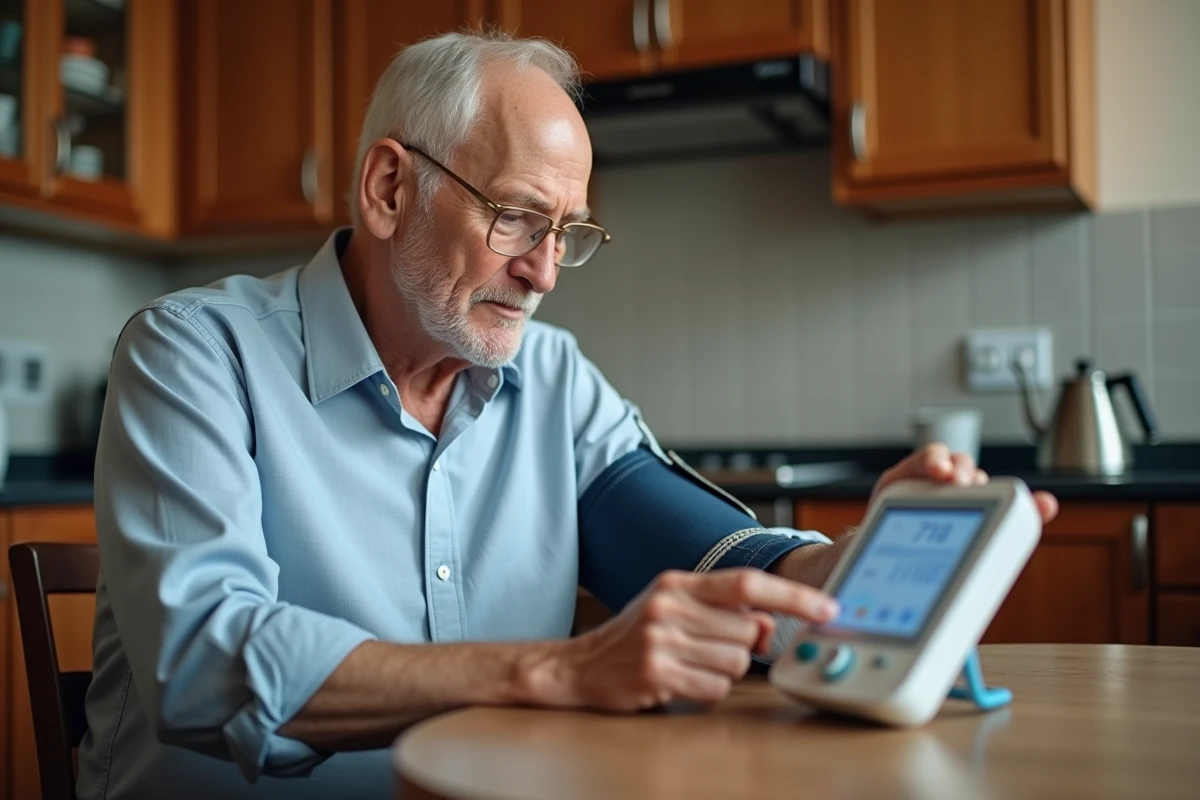
Adopting the right gestures for reliable and calm measurements at home
Measuring blood pressure at home is not trivial. Self-monitoring goes far beyond simply putting a cuff around the arm: it requires meticulousness and consistency. To obtain reliable measurements that are truly comparable, it is essential to establish a solid routine.
Before starting, take your time: seated, in a quiet environment, with your bare arm relaxed on a table at heart level, palm facing up. The cuff of the blood pressure monitor should be positioned without excessive tightness, at the level of the elbow crease, on the humeral artery. Remain silent, avoid crossing your legs or tensing your shoulder, and keep your fingers relaxed. WHO recommendations suggest taking two measurements spaced one minute apart, morning and evening, for several consecutive days. Each value should be recorded in a tracking notebook or a dedicated mobile app.
The ambient calm, away from stress or agitation, limits unnecessary variations. In the case of a particular pathology or unstable high blood pressure, ambulatory measurement (MAPA, blood pressure holter) remains an option for enhanced monitoring. Dialogue with a health professional is then essential to interpret the numbers and adjust the follow-up.
To avoid getting lost, here are the points to absolutely respect:
- Adopt the correct position for each measurement
- Always use the same arm, preferably the left
- Set aside coffee, tobacco, physical effort, and stress before starting
The reliability of the results depends on the regularity and adherence to these steps. With these reflexes, monitoring becomes more effective, and common errors gradually fade away. Mastering the double inflation then becomes a simple detail, serving your health.