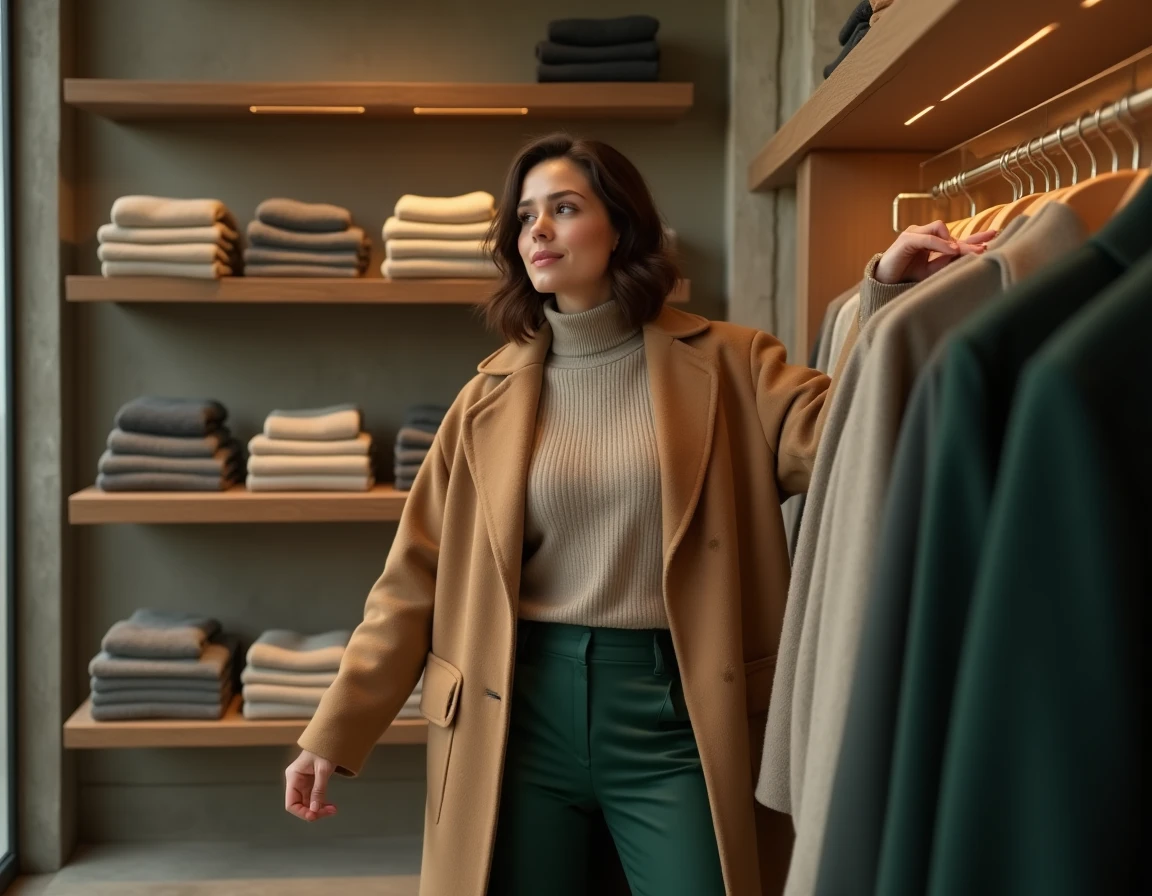
Spring-summer 2026 marks a clear shift in wardrobe logic. Capsule collections co-created with communities (gamers, TikTok creators, micro-influencers) are taking precedence over the classic runway-to-mainstream model. This community co-creation mechanism redistributes desirability and accelerates the turnover of pieces, far beyond mere color or cut trends that are echoed everywhere else.
Digital product passport and textile traceability this season
The European strategy “EU Strategy for Sustainable and Circular Textiles” is entering a concrete phase. The digital product passport applied to textiles is already pushing several brands to integrate traceable data directly into their new collections: material composition, repairability index, recyclability potential.
For us, industry professionals, this regulatory constraint changes the lens through which we view a trend. A linen dress or a pair of vegetable-tanned leather pants are no longer judged solely on their cut or color. The technical sheet embedded in the product becomes a full-fledged selection criterion, alongside drape or finish.
High-end brands are anticipating this shift by showcasing traceability as a style argument. A traceable garment becomes a desirable garment, and informed buyers are starting to differentiate between a documented piece and an opaque one. Those who wish to explore www.okamag.fr for fashion will find an overview of brands that are already integrating this logic into their spring offerings.
Fluid silhouettes and structured cuts: the spring-summer 2026 wardrobe
The knee-length skirt and slip dress are taking center stage, but their treatment is evolving. We are seeing a return of structured materials (thick linen, structured cotton) on silhouettes that remain airy. The contrast between a rigid fabric and a loose cut gives the look a grounding that purely fluid materials do not guarantee.
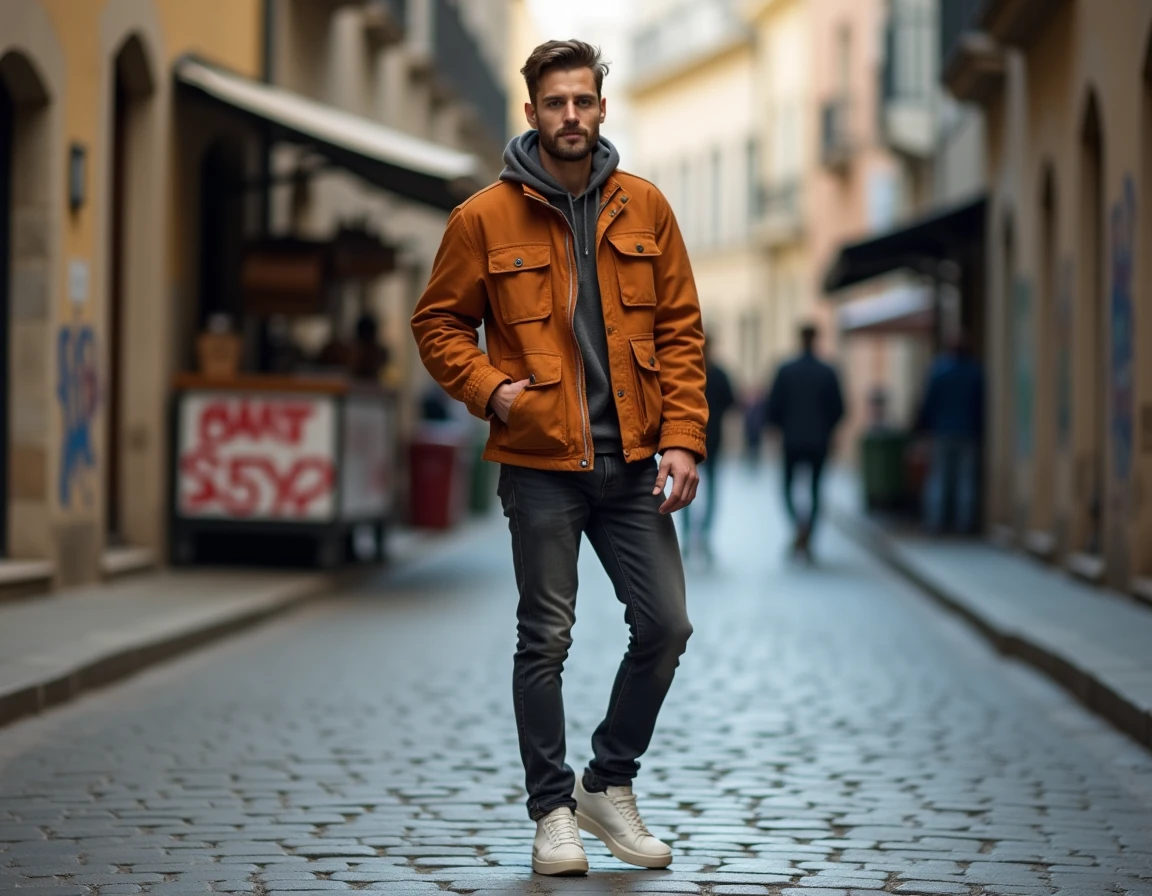
The high-waisted wide jean confirms its presence for the third consecutive season. What changes: the washes are becoming more raw, almost dry, with clean hems without cuffs. The trend for loose pants is not weakening, but the treatment of denim is hardening and gaining in sharpness.
On the upper body side, the polo is returning in a more structured than sporty style. Tight knit, flat collar, fitted armholes. It is no longer a casual piece slipped into shorts; it is a technical top designed to be worn under a light jacket or alone with a midi skirt.
Pieces to arbitrate for a coherent wardrobe
- The mid-calf linen dress with visible seams, dense enough to stand without a lining and suitable for breezy spring days.
- The wide brushed cotton pants, capable of replacing jeans in a daily look while providing more thermal comfort in warm weather.
- The short soft leather jacket (or high-quality faux leather), worn open over a slip dress to break the fluidity with a structuring element.
Colors and prints: what seasonal palettes say about the market
The return of burgundy, sage green, and deep blue in spring collections is not trivial. These shades transcend seasons because they respond to an investment logic: a garment in these colors can be worn across multiple wardrobe rotations. Brands know this and calibrate their palettes to maximize the perceived lifespan of each piece.
Abstract prints are gaining ground against classic floral patterns. We are seeing large-scale graphic prints on dresses and skirts, with bold color contrasts (black-orange, navy-yellow). This type of pattern polarizes, but it gives an immediate identity to the look without additional accessories.
Color combinations that work daily
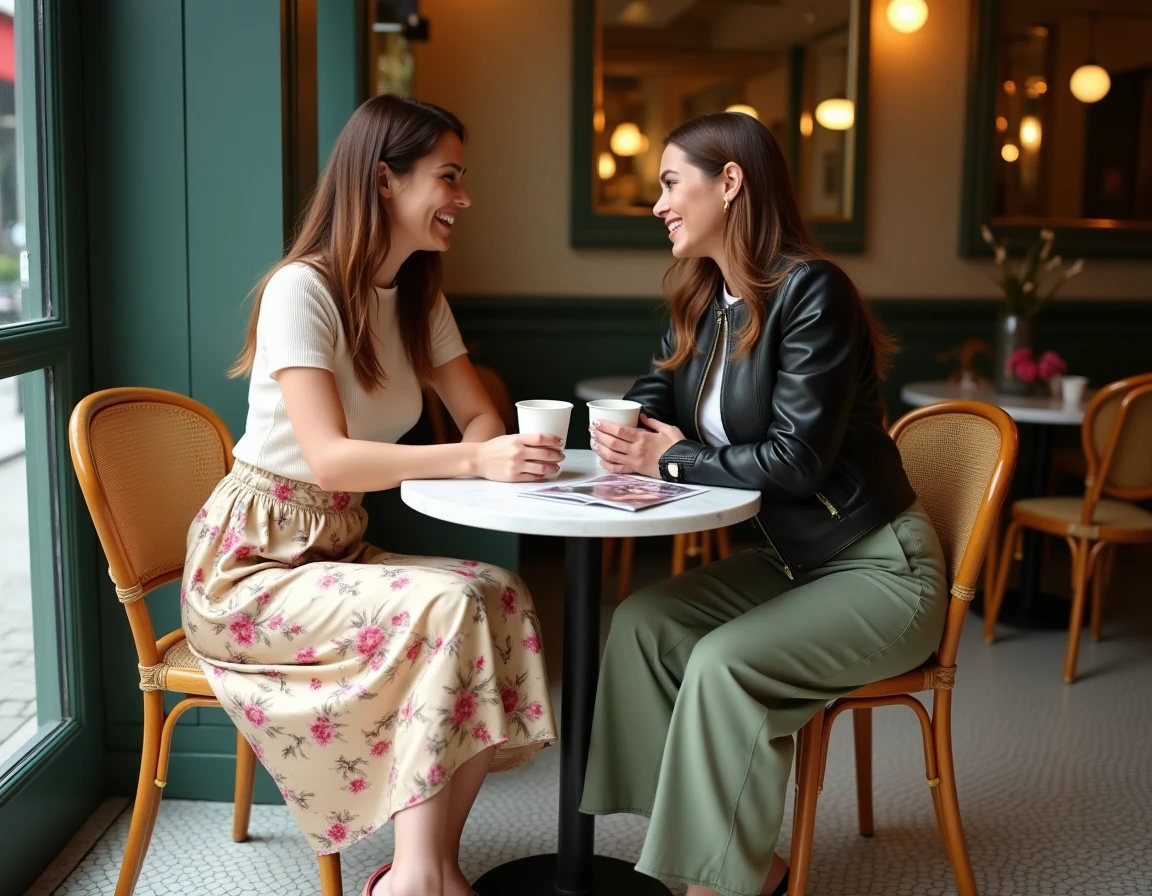
Camel paired with navy remains a reliable technical value. Off-white combined with burgundy brings a sophistication that can be utilized in both professional contexts and outings. Coral pink, worn with beige, softens a spring wardrobe without falling into overly light pastels.
A common mistake is to multiply bright colors in one outfit. Two strong shades maximum per look, the rest in neutral tones. This simple rule avoids the “catalog” effect that social media sometimes encourages inappropriately.
Capsule collections and erosion of micro-trends among Gen Z
The McKinsey and Business of Fashion report “The State of Fashion 2025” documents a phenomenon we also observe in stores: a significant portion of young buyers reports prioritizing resale, upcycling, or purchasing “investment” pieces rather than chasing every fleeting micro-trend.
Capsule collections co-created with communities directly respond to this expectation. They offer limited series, often centered around two or three strong pieces (a pair of jeans, a jacket, an accessory), designed to be resold or passed on. Desirability arises from rarity and co-creation, not from constant renewal.
This model also redistributes the fashion calendar. Community drops no longer follow the spring-summer / autumn-winter rhythm. They occur when the community is ready, sometimes mid-season, sometimes outside the calendar. For style professionals, this means monitoring channels very different from traditional runways.
The spring-summer 2026 season reads less like a list of pieces to adopt and more like a recomposition of purchasing mechanisms. The digital passport, community capsules, and the retreat from micro-trends shape a wardrobe where each piece must justify its place through its traceability, longevity, or anchoring in a community. Colors and cuts remain reference points, but they are no longer sufficient to define what is trendy.