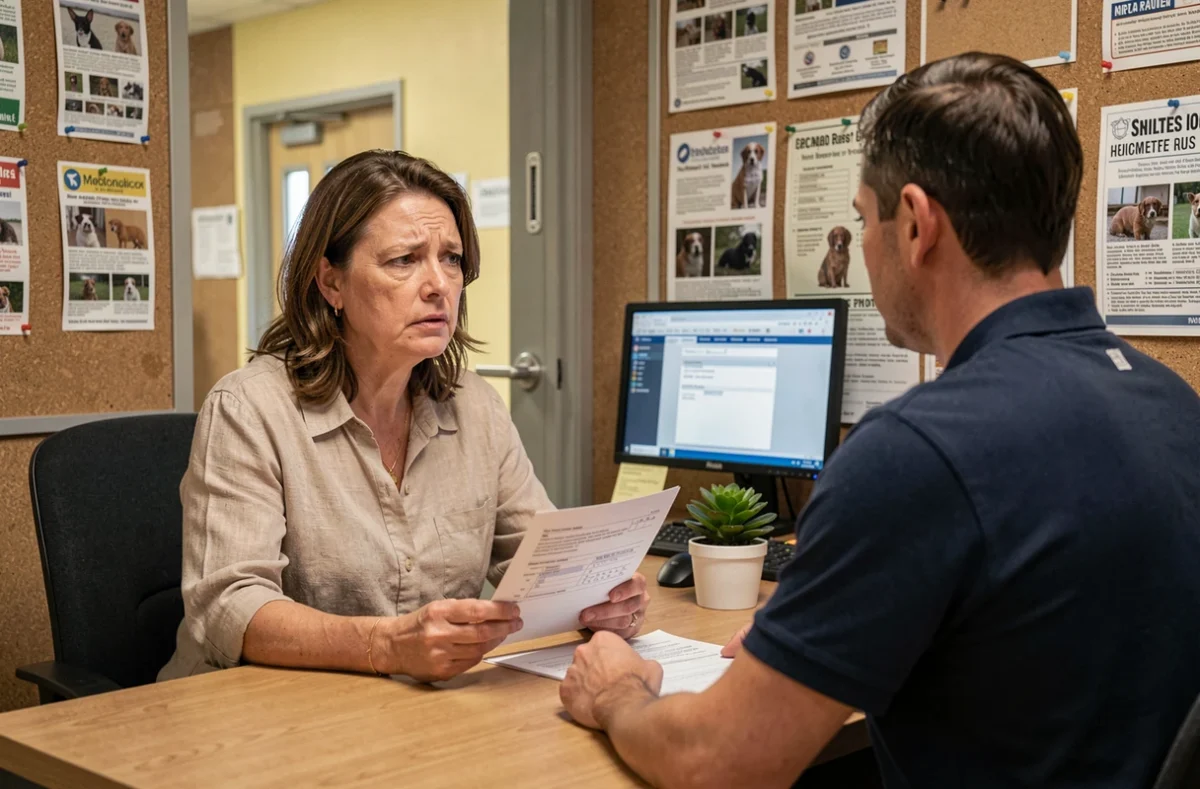
Before stepping into a shelter, many potential adopters are unaware that the SPA can refuse to entrust them with an animal. This refusal is not arbitrary: it is based on specific criteria related to the candidate’s living conditions and the needs of the animal. Understanding these criteria allows one to anticipate potential roadblocks and prepare a solid application.
Adoption Refusal Criteria at the SPA: Comparison of the Most Common Reasons
Shelters do not all apply exactly the same criteria, but several reasons for refusal recur frequently. The table below summarizes the criteria documented by various organizations.
| Reason for Refusal | What the Shelter Evaluates | Room for Negotiation |
|---|---|---|
| Inadequate Housing | Space, lack of a garden for a large dog, lease prohibiting pets | Low if the lease explicitly prohibits pets |
| Instability of the Household | Planned move, ongoing separation, prolonged absences | Medium, depending on the justification provided |
| Presence of Young Children | Compatibility between the animal’s temperament and the children’s ages | Variable depending on the requested animal |
| Other Pets in the Household | Risk of conflict, insufficient socialization of the proposed animal | Medium, compatibility tests sometimes offered |
| History of Abuse or Abandonment | Shelter’s internal records, feedback from a previous adopter | Almost none |
| Refusal of Post-Adoption Follow-Up | The candidate refuses visits or the shelter’s oversight | None |
A shelter that refuses an adoption exercises a right recognized by law. The organization remains the owner of the animal until the adoption contract is signed and can therefore set its own transfer conditions.
If you are considering giving a cat to the SPA in Strasbourg or adopting from there, the evaluation criteria follow the same logic: the team checks that the living environment meets the needs of the concerned animal.
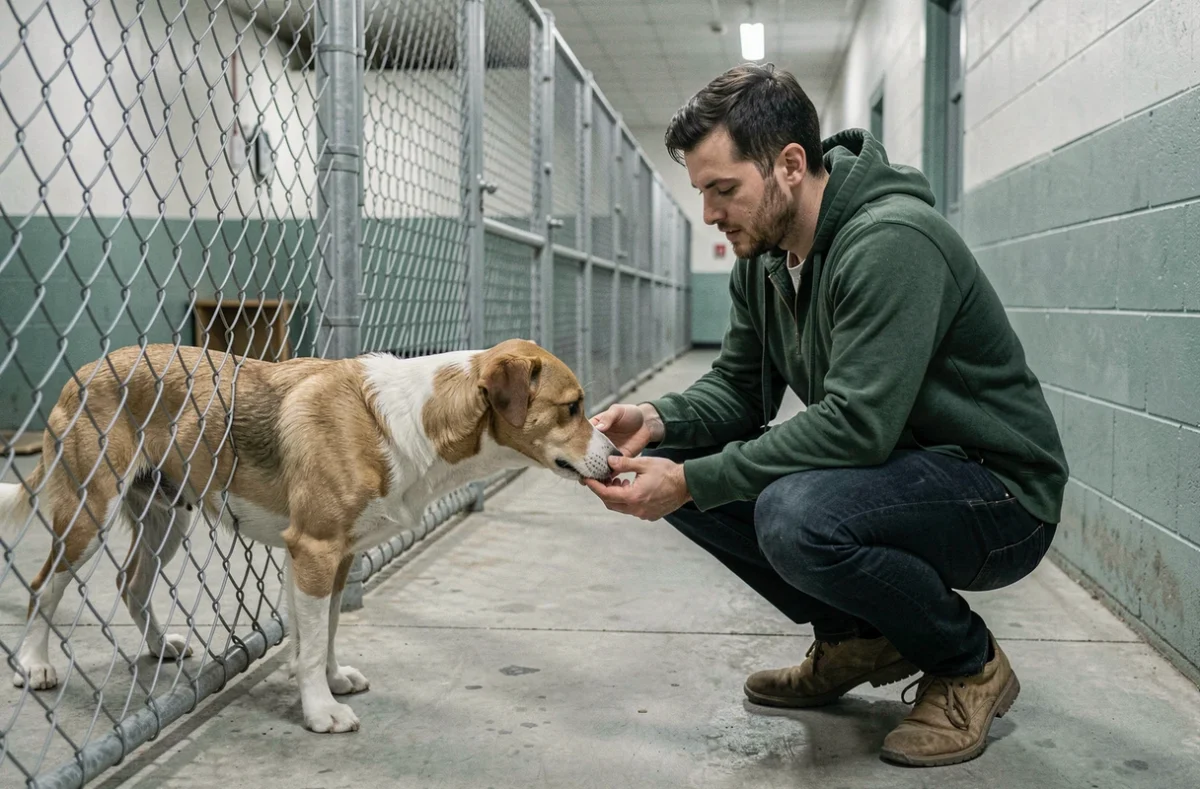
Commitment Certificate and Reflection Period: Two Often Underestimated Steps
Since the implementation of regulations regarding the transfer of pets, every adoption candidate must sign a commitment certificate and acknowledgment of the species’ needs. This document certifies that the adopter is aware of the constraints related to the care, feeding, and health of the animal.
The transfer of the animal can only occur after a seven-day period following the issuance of the certificate. This rule applies to both shelters and authorized associations. The period is non-negotiable: even if the candidate presents a complete application, the animal remains at the shelter during this time.
This mechanism aims to limit impulsive adoptions, which are among the primary causes of animals being returned to shelters. A refusal can also occur during this period if the shelter observes a change in situation or concerning behavior during prior visits.
Adoption Refusal and Refusal of Care: Two Distinct Situations
Confusion between these two cases is common. A shelter is not obligated to accept an animal that an owner wishes to entrust to it. Capacity, the animal’s health status, or box saturation can justify a refusal of care.
Conversely, the refusal of adoption concerns the candidate themselves. The shelter evaluates the compatibility between the adopter and the animal, not the candidate’s willingness. This distinction has practical consequences: in the case of a refusal of care, the owner must seek an alternative (another shelter, association, foster placement). Abandoning the animal on-site after a refusal constitutes an offense.
Appeal After an Adoption Refusal at the SPA: What the Law Says
No text obliges a shelter to provide a written justification for its refusal. Most organizations communicate the reasons orally, but nothing legally compels the SPA to provide a formal document. This ambiguity generates frustration among some candidates.
In practice, appeals are limited:
- Contact the shelter’s management to request a re-examination of the application, providing new elements (landlord’s certificate, veterinary certificate for an animal already in the household, proof of housing stability)
- Turn to another shelter or an independent association, whose criteria may differ on certain points (minimum space, presence of children)
- Seek a mediator if the refusal seems discriminatory, although such cases remain rare and difficult to prove
The shelter’s property rights over the animal grant it a wide margin of discretion. No case law has compelled a shelter to transfer an animal to a rejected candidate.
Foster Care: An Unrecognized Alternative in Case of Refusal
Placement in foster care represents a different avenue. Welcoming an animal into one’s home in this context does not transfer ownership: the shelter remains legally responsible for the animal and a written contract governs the relationship. This arrangement allows a rejected candidate to demonstrate their ability to care for an animal while remaining under the shelter’s supervision.
Going through foster care does not guarantee subsequent adoption, but it provides a concrete framework to alleviate some of the shelter’s doubts.
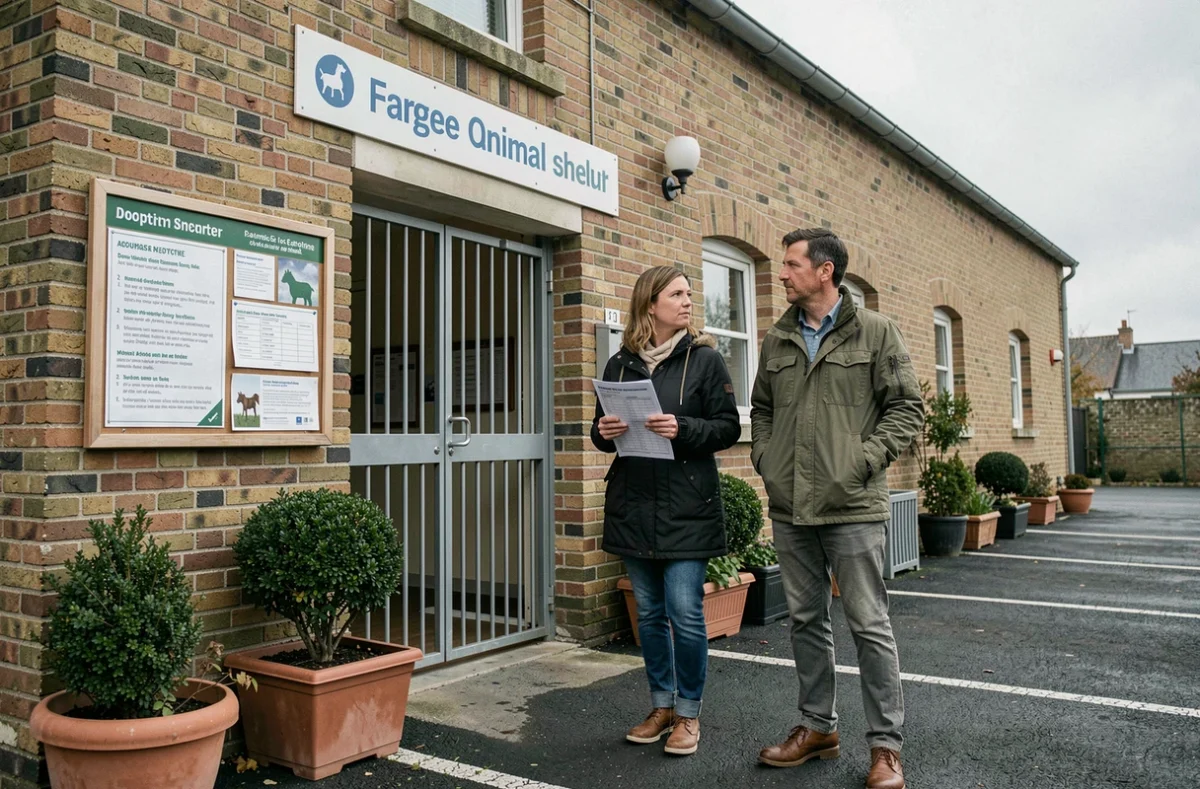
Preparing Your Adoption Application: Key Points That Make a Difference
Rather than facing a refusal, anticipating the shelter’s requirements remains the most effective strategy. The following elements strengthen an application:
- A written certificate from the landlord authorizing pet ownership, or a copy of the lease mentioning this authorization
- The up-to-date health record of any existing animal in the household, including vaccinations and sterilization
- A description of the daily living environment: presence hours, available space, organization in case of vacations
- Proof that the commitment certificate has been read and understood before the first visit to the shelter
Shelters appreciate candidates who ask questions about the specific behavior of the animal rather than its breed or appearance. This attitude signals a thoughtful adoption focused on real compatibility.
An adoption refusal at the SPA is neither final nor personal. It reflects a mismatch between the candidate’s profile and the needs of a particular animal at a given time. Correcting the weaknesses in the application or turning to another organization is always possible.