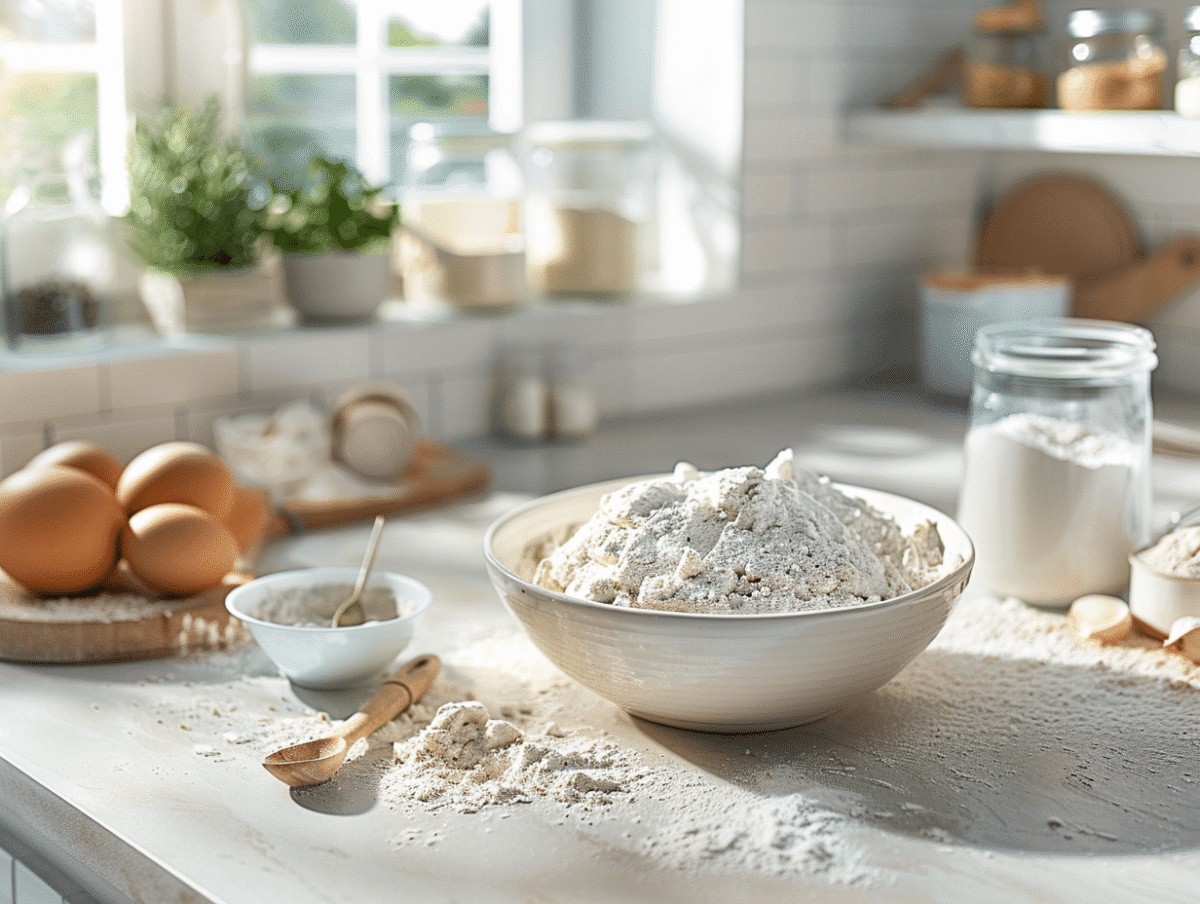
Cooking often requires a precision worthy of a scientific laboratory, especially when it comes to measuring volumes. Anglo-Saxon recipes frequently use cups, tablespoons, and teaspoons, which can be confusing. However, understanding and mastering these conversions is essential for successfully preparing dishes.
A few simple tips can help you navigate easily. For example, one cup is approximately 240 milliliters, one tablespoon is 15 milliliters, and one teaspoon is 5 milliliters. Using a digital kitchen scale can also help convert volumes into weights, ensuring even more precise measurements and impeccable culinary results.
The keys to successful volume conversions in cooking
Cooking, an exacting art, requires a perfect mastery of conversions. To measure accurately, it is important to understand that liquid and dry measurements play a fundamental role. Here are some basic concepts to easily navigate between different units.
Liquid measurements are often used in recipes. A tablespoon equals 15 ml, while a teaspoon represents 5 ml. A cup corresponds to 240 ml. Converting 150ml to cl is simple: divide by 10 to get 15 cl. This conversion of volumes in cooking is essential to avoid mistakes.
Dry and weight measurements are equally vital. One ounce equals 28 g, one pound corresponds to 454 g, and one kilogram equals 1000 g. Using a kitchen scale allows you to convert volumes into weights, ensuring optimal precision. These conversions involve various units such as liters and milliliters, often interchangeable with weight measurements like grams.
A conversion table is a valuable tool to avoid common mistakes during culinary preparations. For example, a table matching milliliters, centiliters, and liters simplifies calculations and ensures successful recipes. Understand and master these conversions to excel in your culinary creations, whether for liquid, dry, or weight measurements.
Tools and tips for measuring accurately
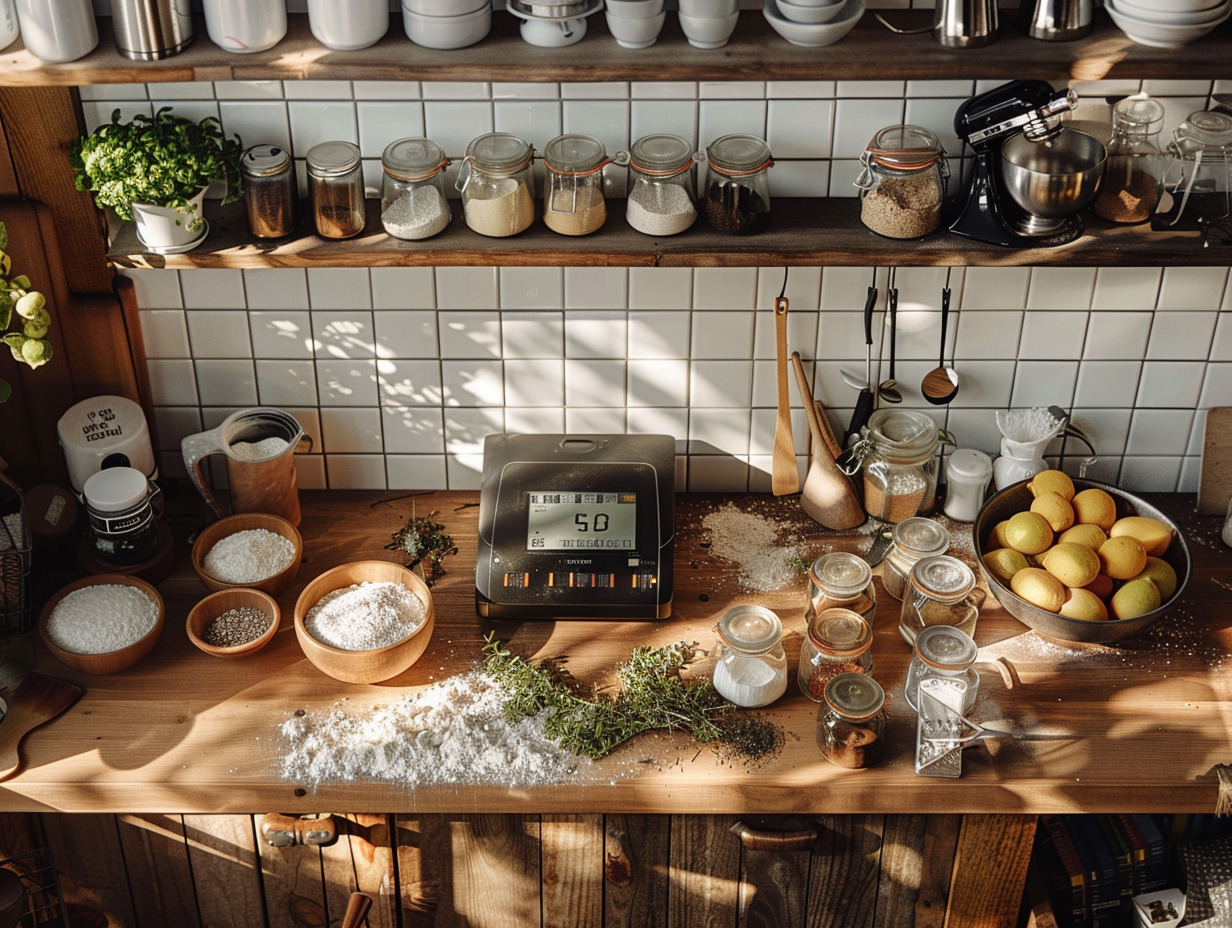
To achieve optimal precision in cooking, use the right tools. Here’s a list of essential instruments:
- Measuring cup: ideal for measuring liquids. Choose a model with graduations in milliliters and centiliters for simplified volume conversions in cooking.
- Kitchen scale: essential for weighing dry ingredients and liquids. Guaranteed precision for all recipes.
- Measuring spoons: prefer sets that include tablespoons (15 ml) and teaspoons (5 ml).
Some tips to avoid measurement errors
When measuring ingredients, follow these tips:
- Sift dry ingredients before measuring. This helps eliminate lumps and achieve a more accurate measurement.
- Use a kitchen scale for both liquid and solid ingredients. Weighing ingredients is often more precise than measuring by volume.
- Check the density of ingredients. For example, 100 ml of flour does not equal 100 g of flour due to density.
Example of conversion for common ingredients
| Ingredient | Quantity per person | Quantity for 300 people |
|---|---|---|
| Flour | 20 g | 6 kg |
| Water | 10 ml | 3 liters |
| Salt | 0.15 g | 45 g |
| Tomato | 7 g | 2 kg |
| Mozzarella | 7 g | 2 kg |
| Basil | 0.33 g | 100 g |
| Olive oil | 0.17 ml | 50 ml |
The conversion of volumes in cooking requires rigor and method. Adopt these tools and tips for flawless precision in your preparations.