Statistics don’t lie: one in five adults will experience an anxiety disorder at some point in their lives. But amidst this sea of numbers, each anxiety story is unique, and no universal recipe manages to soothe everyone. Advice pours in, treatments multiply, and yet many miss out on effective tools, either unknown or relegated to the background. Conversely, widely used methods struggle to deliver on their promises, varying from person to person.
This diversity imposes an obvious truth: no standardized solution can withstand the test of anxiety disorders. It’s about juggling natural resources, psychological techniques, and daily adjustments. The challenge? To develop tailored strategies that respect each individual’s pace and needs, in order to build that sought-after emotional stability.
Why anxiety invades our daily lives: understanding to act better
Anxiety has embedded itself in modern life and shows no mercy. According to the World Health Organization, anxiety disorders affect an increasing portion of the population, particularly women. Several factors intertwine: heredity, environment, and a series of difficult events such as grief, illness, and family conflicts. Added to this are the effects of prolonged stress, sedentary lifestyles, and an industrial diet often low in magnesium and vitamins, all of which create favorable conditions for generalized anxiety.
But anxiety is not just a matter of mood. Physical manifestations such as palpitations, tension, fatigue, and digestive issues creep into daily life, sometimes quietly. A racing heart, crumbling sleep, a constantly tense neck: all of this betrays an overworked nervous system, battered by excess cortisol and norepinephrine. And the flood of anxiety-inducing information on social media and television only feeds this vicious cycle.
Uncovering these mechanisms is already a way to loosen the grip. Hub Santé’s advice deciphers the relationships between anxiety, environment, habits, and mental health. When a worry settles in, identifying the source—whether psychological, biological, or social—allows for a management of anxiety that truly aligns with reality, bridging mind and body.
What natural methods and simple tips can help ease anxiety day-to-day?
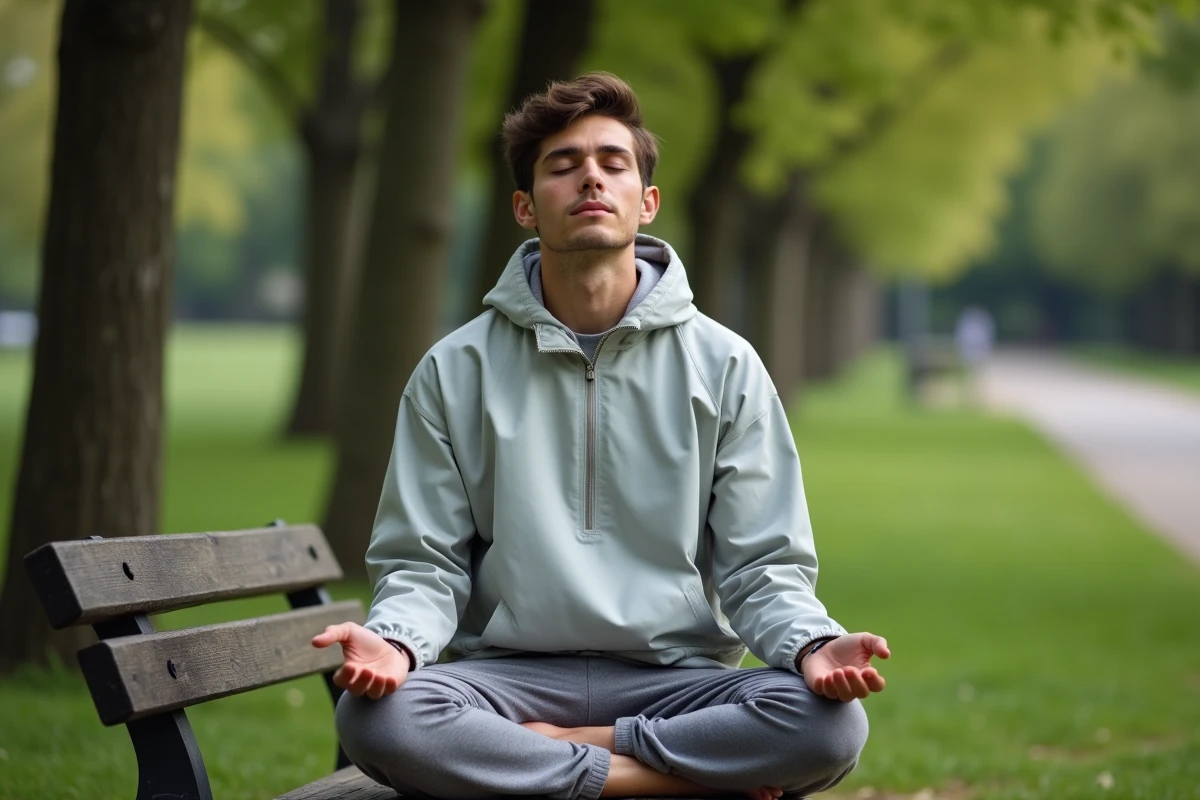
Anxiety doesn’t disappear with a snap of the fingers. But we can learn to channel it, to temper it, through concrete techniques. As soon as the anxiety disorder makes itself felt, breathing becomes a point of support. Practicing abdominal breathing or heart coherence three times a day for five minutes each time: inhale, hold, exhale. This simple ritual calms the inner turmoil and slows the heart.
Mindfulness meditation takes over. Spending ten minutes observing one’s sensations, here and now, teaches the brain to let go. Add to this a regular dose of physical activity, such as walking, yoga, or swimming, and the body, stimulated by endorphins and serotonin, echoes mental calm.
For those who prefer plant-based solutions, several options exist. Here are some resources to explore:
- Herbal teas of lemon balm, hawthorn, or rhodiola to enjoy in the evening
- Essential oils of lavender or sweet orange to inhale for relaxing the nervous system
- Supplements like magnesium or vitamin B6 to support nervous balance
Structuring one’s day also plays a key role. Reducing the frequency of notifications, keeping a journal to release looping thoughts, establishing a stable daily routine (wake-up times, meals, sleep): all these habits help keep anxiety at bay.
Regaining self-confidence: psychological approaches to cultivate lasting serenity
Self-confidence doesn’t fall from the sky. It is built, sometimes stone by stone, especially when anxiety disorders come into play. Psychological support offers a real launching pad to regain balance. Among the recognized tools, cognitive-behavioral therapy (CBT) stands out: it helps identify and deconstruct automatic thoughts that devalue and perpetuate anxiety. Changing these mental reflexes opens the door to greater inner freedom, far from the constraints of rumination.
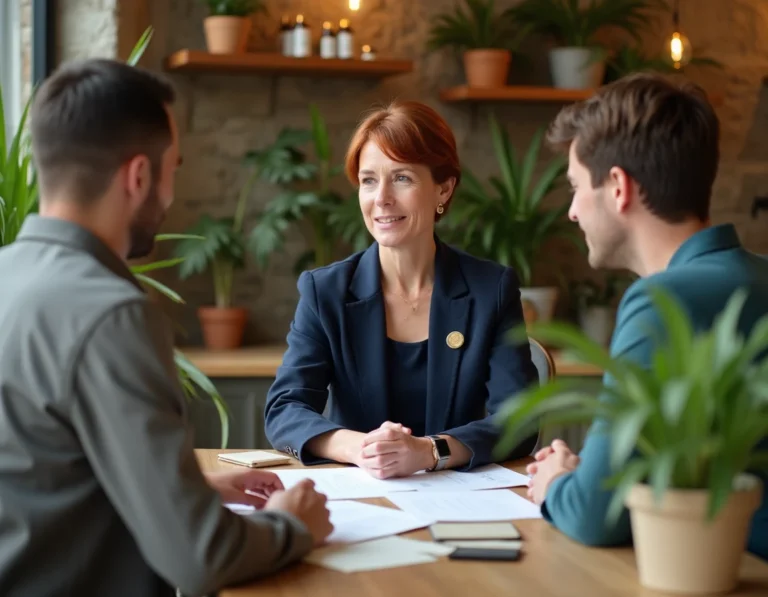
Sometimes, external support becomes necessary. A professional support, such as a psychologist, psychiatrist, or therapist, can make a difference, especially when anxiety settles in for the long haul. Psychotherapy sessions invite individuals to recognize and verbalize their emotions, without filters. Naming fear, shame, or fatigue is already a step towards taming them. Gradually, controlled exposure to what triggers anxiety helps regain ground in daily life.
Here are some levers to integrate into one’s journey:
- Positive visualization: imagining a reassuring scene or a protective bubble can calm the mind
- Grounding: returning to tangible sensations, feeling the ground underfoot, breathing deeply, to cut short the anxious spiral
- Social support: leaning on the listening ear of a loved one or a group to break free from isolation
With regularity and attention to oneself, these approaches pave the way to greater serenity. Easing anxiety disorders is not magical; it unfolds over time, at the intersection of psychological support and a renewed respect for one’s own limits.
Over the days, these repeated gestures become landmarks. Anxiety doesn’t vanish, but it eventually yields ground, allowing for a broader breath and a more assured presence. It is often here that confidence returns, discreet yet persistent, ready to support every step.